
Philippians 3:7–11
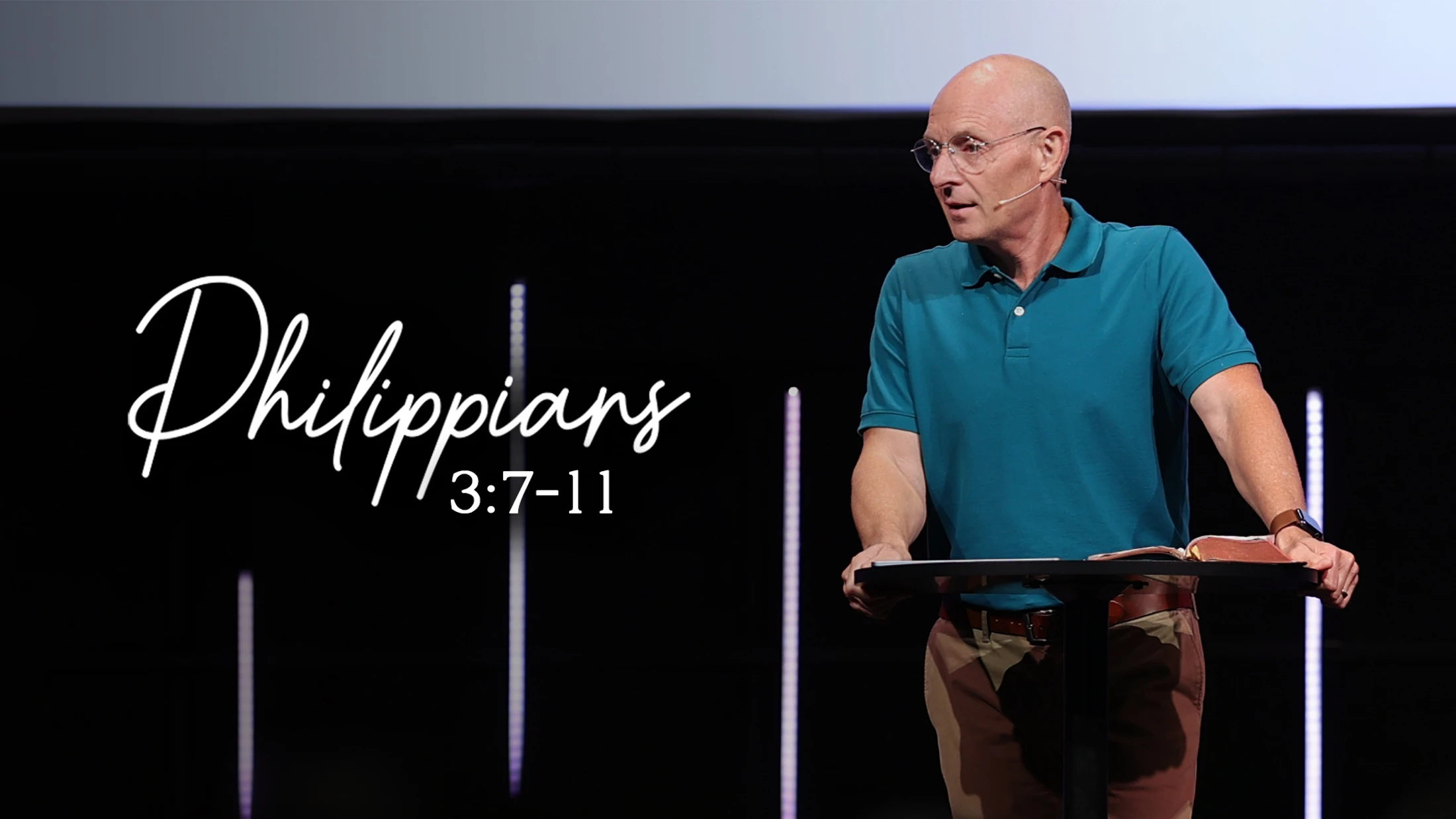
Genuine, joyful Christianity is not trying myself, but trusting Jesus, considering everything else as trash for the treasure of Him. Join Pastor Todd as he points our eyes to the sufficiency of Christ from Philippians 3:7–11.
Let's take our Bibles. Let's get after it, can we? We already have been in worship and musically praising the Lord. Let's keep our postures and our hearts and our heads fully engaged as we look into Philippians chapter 3. I want to let you know this is a continuation of what we began last week.
It's kind of like one message, but we did it in two parts. We looked at verses 1 to 6 last week. We'll be looking at 7 to 11 this week.
Here's kind of where we ended up, and I'll make sure that in this campus here, both at Carlisle and our homebound audience as well, I'll talk to several of them this week, many of our shut-ins and our homebound couples and individuals. And so here's where we ended up last week after six verses, understanding that Paul wants them to rejoice in the Lord, and so to make sure that is coming from the right place, the right well, an unpolluted, non-corrupted source, he lays out the gospel just plainly, very pointedly and precisely. And in those first six verses it was clear that genuine joyful salvation is not about trying, but it's about trusting.
We made a strong case from those six verses that that is really what Paul is aiming at, but it's just kind of the beginning because he expands it even more in verses 7 to 11. And that's what we're going to pick up today in verses 7 to 11 of Philippians 3, understanding more about genuine joy from genuine salvation. I said it last week.
I want to say it again this week. I do believe these first 11 verses may be one of the most clear and blatant explanations of what a true Christian actually is, of genuine, authentic Christianity. So I'm stoked to be able to teach you these five verses last week as well.
It's a joy to walk through this text with you. Can I give you a couple of qualifiers for these last five verses in this first section? I'll give you two qualifiers that will help you see these verses in the best way possible, and then I'll give you one little extra note. The first qualifier is this.
These last five verses especially, 7 through 11, are very repetitious. And that's on purpose. In the language of the New Testament that is usually meant for emphasis.
So you're going to see some things repeated so that we would not miss them. There's an emphasis upon them. The second lens, or the second qualifier, is this.
This is a comparison. Two things are juxtaposed against each other.